Food Industry
Food Habits
Food Habits
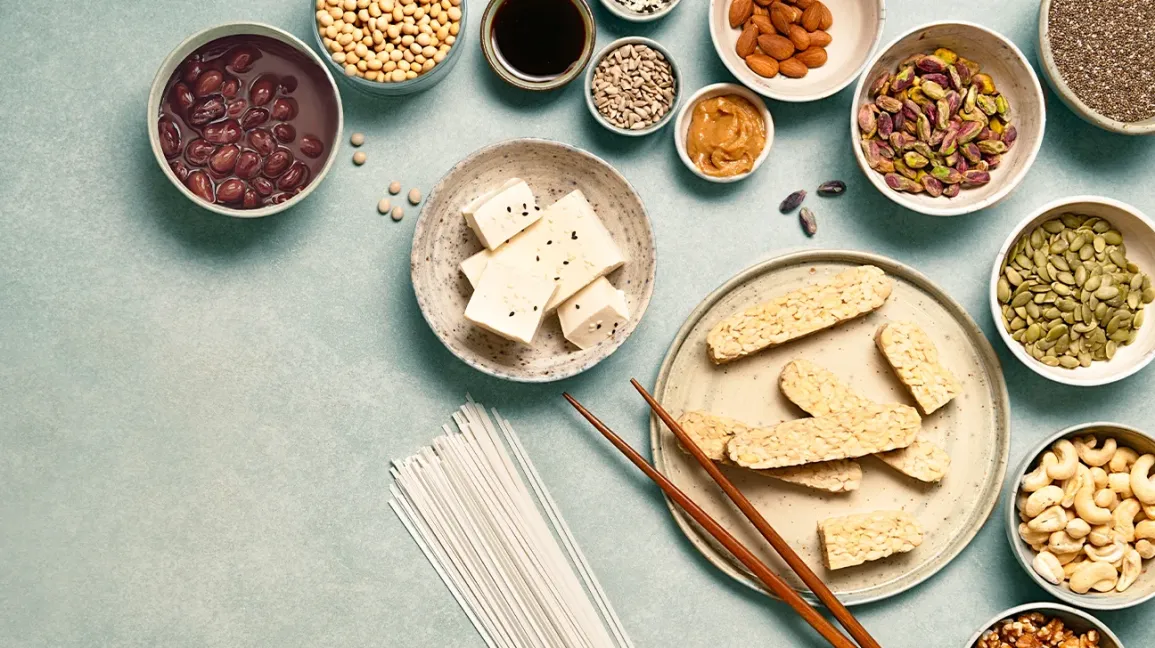
We used to eat while watching TV or talking with our family. But few of us were ever aware of how grateful we were for the food we had. A daily dose of nutrients and love in that food is managed mostly by our loved ones who followed the ancient techniques that involved every masala with the right quantity.
Let's have a look at how our food habits were.
High consumption of spices, such as turmeric, ginger, garlic, and pepper, which are known for their medicinal and anti-inflammatory properties it accounts for about 75% of the global spice production and consumption.
Low consumption of animal protein, such as meat, eggs, and dairy, due to the religious and cultural beliefs of many Indians, as well as the high cost and low availability of these products. India ranked 171st out of 180 countries in terms of meat consumption per capita, with only 4.4 kg per person per year.
India had a high consumption of snacks, both healthy and unhealthy, due to the diversity of regional cuisines, the popularity of street food, and the busy lifestyles of many urban dwellers. According to Mintel research, 60% of Indian consumers snacked more than twice a day, and 15% of them were super snackers who snacked more than four times a day.
Rising consumption of processed foods, such as packaged foods, fast foods, and ready-to-eat foods, due to the increasing urbanization, income, and exposure to Western culture. The processed food market in India was expected to grow at a compound annual growth rate of 14.6% from 2016 to 2021.
Plant based food in 2025
Online grocery market in India value by 2024
How pandemic impacted our food habits?
Influenced the food preferences of people in India, as they seek more comfort food, snacks, and plant-based foods. Sales of sweet snacks have soared in the past few months.
What changes did we take forward even after the covid?
1. Increased interest in plant-based foods for sustainability, health, and ethical reasons, is projected to reach $77.8 billion by 2025 and double by 2030.
2. Creativity in food choices due to supply-chain issues, shortages, and budget constraints.
3. Comfort food is sought after to cope with stress, anxiety, and boredom during the pandemic.
4. Heightened awareness of nutrition's importance for immunity and well-being amidst the COVID-19 risk.
5. Shift towards snacking and smaller meals to adapt to new routines and lifestyles.
6. Unhealthy food consumption rising, particularly fats, sugar, and salt, in India since 2020, per WHO and ICRIER study.
7. Delivery options for fast food impact nutritional quality, while some opt for healthier home-cooked meals.
8. Compulsive buying and stockpiling altering food availability and preferences due to fear of shortages.
9. Pandemic-induced mental health issues contribute to changes in eating habits, including anxiety, depression, and stress.
10. Diverse impacts across demographics, affecting pregnant women, individuals with diabetes, children, adolescents, and the elderly, with varying dietary shifts and challenges.
What is the future vision in this industry?
The future of food habits in India is likely to be influenced by the following factors:
Health and wellness: As the awareness and demand for healthy and nutritious food increases, consumers will opt for more plant-based, immunity-boosting, and locally sourced foods. According to a Deloitte-CII report, the share of wallets for food for an average Indian household is expected to increase to 35.4% by 2025 from 33.2% in 2005. The report also projects a steep decline in carbohydrate consumption and an increase in protein, fruit, and vegetable intake.
Convenience and innovation: As the lifestyle and work patterns of urban consumers change, they will seek more convenience and variety in their food choices. The ready-to-cook/eat market in India is expected to grow at a CAGR of 15.7% from 2020 to 2025, reaching a value of 284.7 billion rupees by 2025. The online grocery market in India is projected to grow at a CAGR of 25.8% from 2020 to 2024, reaching a value of 1.3 trillion rupees by 2024. Consumers will also explore new and innovative food options, such as lab-grown meat, edible insects, and seaweed.
Sustainability and ethics: As the environmental and social impact of food production and consumption becomes more evident, consumers will adopt more sustainable and ethical food habits. They will prefer foods that are organic, natural, cruelty-free, and fair-trade. They will also reduce food waste and support local farmers and communities. A study found that 49% of urban consumers in India increased their consumption of local and seasonal foods during the pandemic, and 44% planned to do so in the future.
Is there an opportunity in this flooded market?
There exists a burgeoning opportunity for entrepreneurs to tap into the market of conscious and healthy eating, either by addressing a new niche or by innovating within existing markets. This potential is amplified by the recent wave of startups showcased on Shark Tank Season 2, till now four out of thirty-nine companies are dedicated to transforming everyday food items into healthier alternatives without compromising on enjoyment.
Startup Profiles:
1. Gudgum: Offering chewing gum tailored not just for children's amusement, but also catering to the needs of athletes, Gudgum redefines the purpose of this familiar product.
2. Honeytwigs: Introducing a variety of flavors in a spill-proof, ready-to-eat format, Honeytwigs expands the traditional perception of honey beyond its singular taste, providing a healthier alternative to sugary candies.
3. Thetiggle: Sourcing chocolate beans meticulously from farms, Thetiggle promises exotic flavors in every sip of hot chocolate, aiming to preserve and replicate the memorable tastes experienced in specific locales.
4. The Cinnamon Kitchen: Recognizing the enduring love for desserts in Indian culture, The Cinnamon Kitchen innovates with healthier versions of cakes and pastries.
Market Analysis:
Of the startups featured, a notable proportion – four out of thirty-nine – are focused on providing healthier alternatives to commonly consumed foods. This trend underscores the growing demand for products that promote well-being without sacrificing flavor or enjoyment.
Strategies for Entry:
Get into Shark Tank - Yeah! I'm serious 😅
Innovation and Differentiation:
Identify gaps in the market and offer unique, healthier alternatives to existing products, appealing to consumers' desires for conscious consumption.
Product Development:
Prioritize taste and affordability alongside health benefits, ensuring that the product resonates with the target audience while remaining competitively priced.
Brand Building:
Establish a strong brand presence through consistent messaging and memorable experiences, encouraging repeat purchases and fostering brand loyalty.
Accessible Purchasing:
Simplify the purchasing process to encourage repeat business, both online and offline, ensuring that customers can easily access and repurchase the product.
Healthy Food = Tasteless So, target places where your audience is abundant and let them try out your product. The initial perception that healthy equals tasteless will vanish.
Price is crucial; healthy options tend to be pricier. Your product should be affordable without compromising on nutritional quality. While people are willing to pay more for healthier alternatives, there's a limit. Therefore, justifying your pricing based on the benefits compared to others is essential.
Captivate consumers through taste and price. Ensure the next purchase is simple, whether online or offline, so they don’t forget you. Make them remember that the best taste at the right price is yours.
Consistently engage with your target market until your brand becomes synonymous with healthy eating for every consumer.
As consumers increasingly prioritize health and wellness, the food industry presents ample opportunities for entrepreneurs to innovate and disrupt traditional norms. By offering compelling alternatives that balance health, taste, and affordability, new entrants can carve out a niche in this rapidly evolving market, driving positive changes in dietary habits and preferences.